November 6, 2026
The Cultural Roots of Jamaican Food and Its Global Appeal
By @trentonzpco011
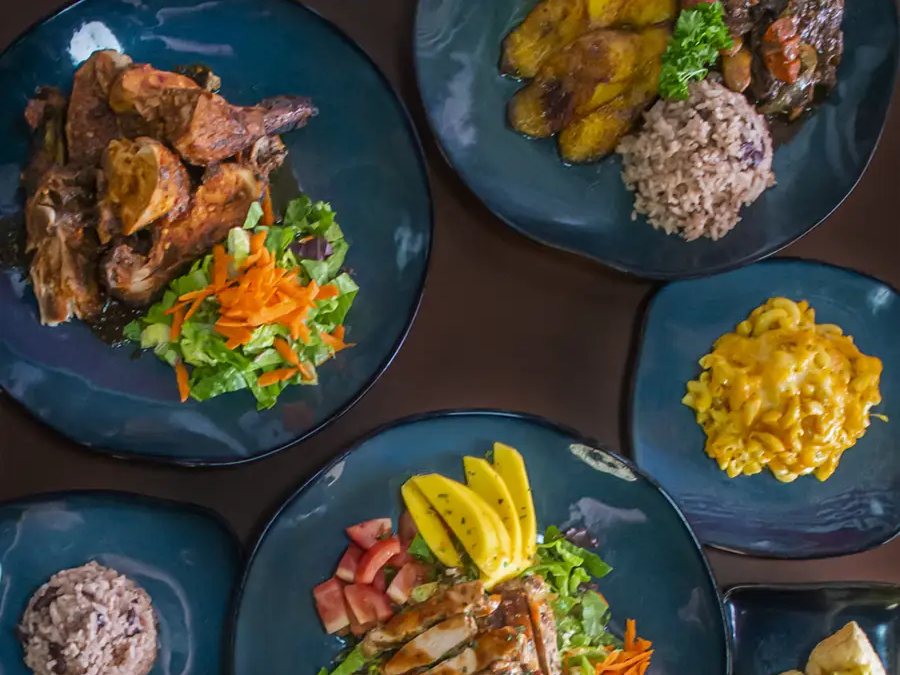
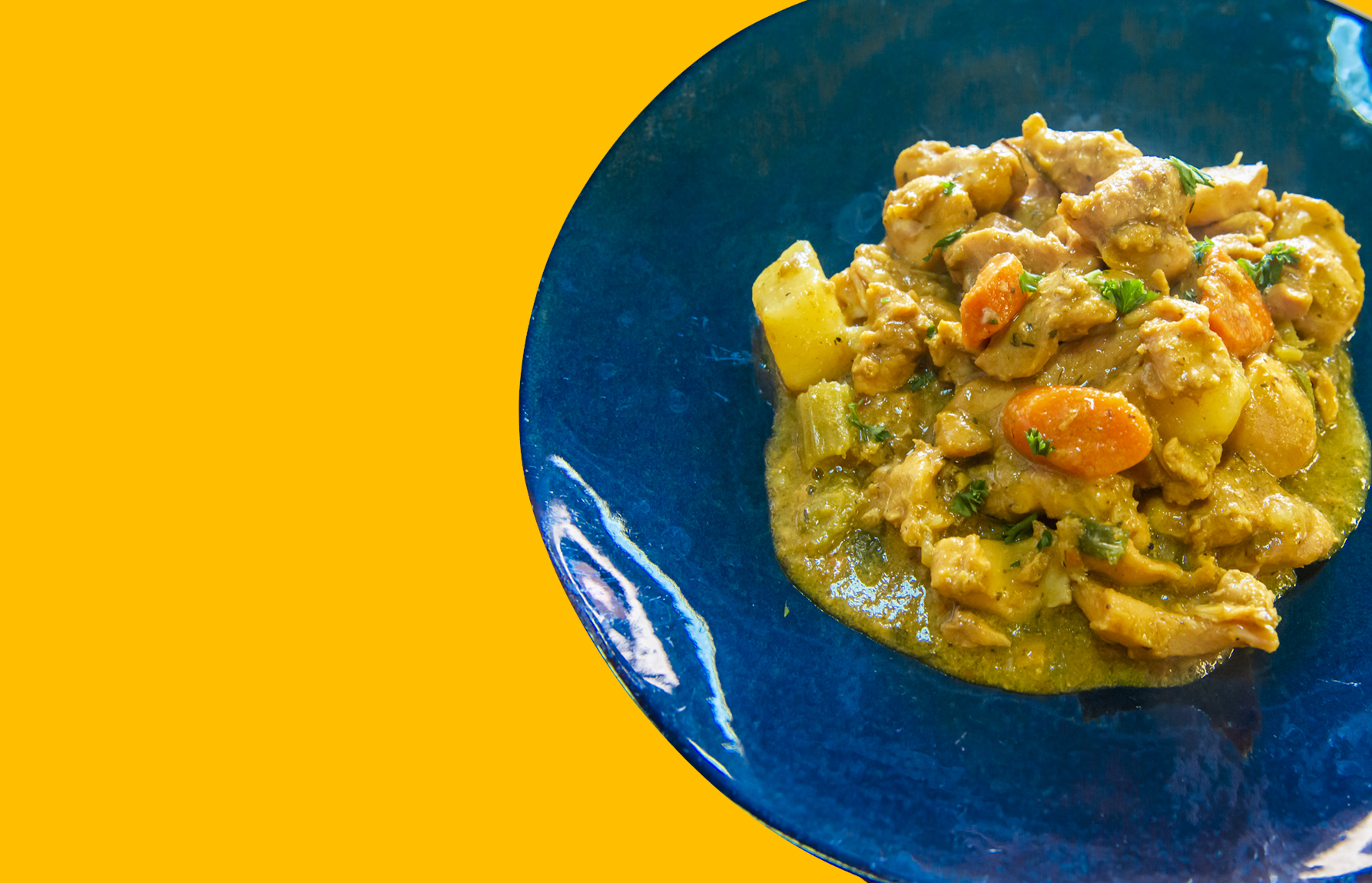

Jamaican food carries the history of an island that has always been in motion. It is the taste of migration, survival, adaptation, resistance, and celebration, all layered onto one plate. People often meet it first through a single dish, maybe jerk chicken fresh off a drum pan, maybe a flaky beef patty from a bakery case, maybe oxtail rich with butter beans and gravy. What keeps them coming back is not only flavor, though flavor matters enormously. It is the way the cuisine feels complete. Jamaican cooking delivers smoke, heat, sweetness, acidity, starch, and texture with remarkable confidence. It is bold without being careless.
That confidence comes from deep roots. Jamaican food did not emerge from one tradition or one people. It grew through contact, conflict, trade, and memory. Indigenous techniques, African culinary knowledge, European ingredients, Indian spices, Chinese shop culture, Middle Eastern influences, and local ingenuity all shaped the national table. The result is a cuisine that is unmistakably Jamaican, not because it stayed pure, but because it transformed everything it touched.
Anyone who has spent time in Jamaican kitchens, roadside cookshops, or family gatherings knows that the food is inseparable from social life. It is not simply nourishment, nor is it only spectacle for visitors. It is a language of care. A pot of soup on a Saturday, a Sunday rice and peas, a Christmas sorrel, an Easter bun, a late-night box of jerk after a dance, each belongs to a rhythm larger than the recipe itself.
A cuisine built from layered histories
To understand Jamaican food, it helps to begin before the island became Jamaica as the world now knows it. The Taíno, the Indigenous people of the Caribbean, left important culinary traces. One of the clearest is the method behind jerk, which has roots in meat preservation and smoke cooking. The word itself is often linked to the Spanish charqui, but the practice of seasoning and slow-smoking meat in the landscape reaches further back through Indigenous methods and later African adaptation. Cassava also belongs to this early layer. Though it is less visible in many export-facing menus today, cassava remains part of the island’s food history and survives in breads and traditional preparations.
The forced arrival of enslaved Africans changed the island permanently, and Jamaican food cannot be discussed honestly without recognizing how much of its foundation was built by people cooking under brutal conditions. Enslaved Africans brought agricultural knowledge, seasoning practices, one-pot techniques, and a capacity to make nourishing meals from limited provisions. Much of what people now praise in Jamaican food, the depth of stews, the handling of greens, the use of tubers, the skill with saltfish, the instinct for heat and aromatics, developed through African knowledge meeting the realities of plantation life.
European colonialism shaped the pantry as well, often through violence and extraction. Salt cod, now central to ackee and saltfish, arrived through trade networks tied to empire. Sugar transformed the island’s economy and land use, while also generating byproducts such as molasses and rum that fed directly into local cooking and baking. Bread, buns, puddings, and festive cakes carry these histories in quieter ways.
After emancipation, indentured laborers from India and China added new dimensions. Curry goat is one of the most familiar examples. Jamaican curry is not a copy of Indian curry. It has its own profile, often featuring allspice, thyme, scallion, Scotch bonnet, and a distinct local blend of curry powder that developed over time. The dish speaks to adaptation rather than imitation. Chinese Jamaican communities influenced commerce and everyday eating, especially through grocery culture, takeaway habits, and dishes that moved between home cooking and street food. Escovitch fish reflects Spanish and Mediterranean echoes filtered through the island’s own preferences for vinegar, peppers, and fried fish.
This is one reason Jamaican food resonates so widely. It is local and global at the same time. Diners recognize elements, rice, spice, pickling, braising, flat baked pastries, but encounter them in combinations that feel vivid and new.
The logic of flavor in Jamaican cooking
Jamaican food is often described as spicy, but that tells only a fraction of the story. The stronger truth is that it is highly structured. Good Jamaican cooking balances assertive seasoning with patience. The famous Scotch bonnet pepper brings fruitiness as well as heat. Thyme is not a garnish but a backbone. Scallion, onion, garlic, ginger, pimento, and browning contribute depth. Coconut milk softens edges in one dish and intensifies savor in another. A squeeze of lime can sharpen fried fish or wake up soup.
Allspice, called pimento in Jamaica, deserves special attention. Few ingredients communicate the island’s culinary identity as clearly. It appears in jerk marinades, stews, and spice blends, and its warm aroma bridges sweetness and savory cooking. Once you know that scent, you start to notice how much of Jamaican food is built on aromatic memory. Certain kitchens smell right before anything hits the plate.
The cuisine also relies on contrast. Think of crispy fried plantain against soft rice and peas, or peppery escovitch vegetables against rich fish, or cool coleslaw beside hot jerk. Texture matters more than many casual observers realize. So does timing. A stew that tastes flat at noon may come alive after resting. A jerk pit is not merely a grill, it is a controlled environment where smoke, fat, spice, and airflow work together. Experienced cooks judge doneness by sight, sound, and smell, not only by clocks.
This is where people who try to reproduce Jamaican food abroad sometimes miss the mark. They chase heat and neglect structure. They overuse bottled sauces. They season aggressively but do not cook long enough for those seasonings to settle. The best Jamaican food is not loud from start to finish. It moves. First you get smoke, then thyme, then sweetness, then pepper, then the richness of the meat, then a lingering pimento warmth. That sequence is part of its appeal.
Jerk, beyond the postcard version
No dish symbolizes Jamaican food more powerfully than jerk, and few are more misunderstood outside the island. In many export markets, jerk has become shorthand for any grilled meat with sweet heat. That version can be tasty, but it often trims away the complexity that makes real jerk memorable.
Traditional jerk is tied to maroon communities, especially in places such as Portland and St. Thomas. The method historically involved seasoning meat, often pork, with a paste of Scotch bonnet, pimento, thyme, scallion, and other aromatics, then smoking it slowly over pimento wood. The use of green wood and leaves helped control the heat and trap smoke. Done properly, jerk develops a bark that is dark, fragrant, and slightly sticky, while the interior stays juicy.
At roadside jerk centers, the experience is sensory and immediate. Smoke hangs in the air. Chopped meat lands on foil or paper. Bread or festival catches the juices. The cook’s hand is quick, practiced, and unsentimental. There is usually a choice between leaner cuts and richer ones, mild and hotter sections, extra sauce or none at all. That element of personal calibration matters. Good jerk is not factory food. It is responsive food.
Its international success makes sense. Jerk fits modern appetites for grilled meats, big flavor, and informal eating. It travels well conceptually, even when it does not always travel faithfully. Chefs in London, Toronto, New York, and beyond have used jerk seasoning on everything from salmon to tofu. Some adaptations are thoughtful. Others turn the style into a branding exercise. The strongest versions understand that jerk is a technique and a cultural inheritance, not just a spice label.
The everyday dishes that tell the fuller story
Visitors often start with jerk, but the breadth of Jamaican food reveals itself in daily meals. Ackee and saltfish, the national dish, is a striking example of history expressed as breakfast. Ackee, a fruit brought from West Africa, is cooked until soft and folded with salted cod, onion, tomato, scallion, and https://cesarboso111.quillnesty.com/posts/a-home-cook-s-guide-to-traditional-jamaican-food pepper. When prepared well, it is buttery and delicate, not heavy. Pair it with fried dumplings, boiled green bananas, yams, or breadfruit and the plate becomes a study in substance and balance.
Rice and peas is another marker of identity, even though the “peas” are typically kidney beans or gungo peas. Cooked with coconut milk, thyme, scallion, and often Scotch bonnet, it is more than a side dish. It anchors the meal. Sunday dinner without rice and peas can feel incomplete in many homes. The same is true for brown stew chicken, whose deep color comes from browning the meat or sugar before simmering it with onions, peppers, carrots, and seasoning. The gravy should coat the rice, not flood it.
Then there are the dishes that reward patience: oxtail, curried goat, mannish water, pepper pot soup, red peas soup. These foods take time and are often connected to gatherings, weekends, or special occasions. Their appeal lies partly in texture, collagen-rich cuts softened over slow heat, beans swollen and creamy, dumplings holding shape while soaking up broth. They taste of labor transformed into comfort.
Street and bakery foods deserve equal respect. Patties are perhaps the most globally portable Jamaican food after jerk. A good patty has a crust that flakes without turning dry, a filling that is moist but not greasy, and seasoning that tastes purposeful rather than generic. Beef remains the standard, but chicken, vegetable, lobster, and soy versions all exist. Coco bread, often used to cradle a patty, shows the soft, slightly sweet side of the island’s baking culture.
Festival, bammy, roast corn, peanut porridge, cornmeal porridge, tamarind balls, gizzada, and grater cake all fill out the picture. This is one reason Jamaican food has staying power abroad. It offers a full spectrum, breakfast, lunch, dinner, snacks, sweets, drinks, celebratory meals, and healing broths.
Food, ritual, and the Jamaican calendar
The cultural roots of Jamaican food become especially visible through ritual. Some dishes are tied to days, seasons, or life events so tightly that they carry emotional meaning before the first bite. Saturday soup is one example. Across households, the exact recipe varies, but the pattern is familiar: a long-simmered pot that gathers family, stretches ingredients, and resets the week. Chicken foot, red peas, yellow yam, cho cho, pumpkin, dumplings, and spinners may all appear depending on region and family custom.
Christmas has its own unmistakable flavors. Sorrel, steeped with ginger and often sharpened with rum, is one of them. So is Christmas cake, dense with fruit and soaked in wine or spirits. There is also Jamaican black cake, rich and dark, often made from recipes guarded with real seriousness. These are not casual desserts. They are annual markers, prepared with anticipation and discussed with strong opinions.
Easter brings bun and cheese, a pairing so beloved that people abroad seek it out with real urgency when spring arrives. Independence celebrations, funerals, nine nights, church events, and community fundraisers all have food traditions attached. At each stage, cooking functions as social glue. Who made the dish matters. How it was seasoned matters. Whether there was enough for second servings matters.
These customs help explain why Jamaican food travels with such force through diaspora communities. People do not migrate with flavor alone. They carry timing, ceremony, preference, and memory. A proper bowl of soup on the right day can steady a person far from home.
Why the diaspora turned Jamaican food into a global force
The global appeal of Jamaican food did not happen by accident, nor did it begin with tourism boards. It spread through migration. From the mid-twentieth century onward, Jamaicans moved in significant numbers to the United Kingdom, Canada, and the United States, bringing their food traditions into homes, churches, corner shops, and eventually mainstream food culture.
In cities such as London, Birmingham, Toronto, New York, and Miami, Jamaican restaurants often served dual roles. They were businesses, certainly, but they were also community anchors. They sold hot meals, imported groceries, phone cards, conversation, and a sense of place. Many started modestly, with limited menus and long hours. The food had to satisfy homesick regulars first. That pressure kept standards honest. If the curry was off, people said so. If the patty crust changed, they noticed immediately.
Over time, non-Jamaican diners came in, drawn by aroma, price, music, or word of mouth. Some dishes crossed over quickly because they were easy to understand. Patties functioned like hand pies. Jerk fit barbecue culture. Rum cake suited festive tables. Others took longer. Ackee faced hesitation because of its appearance and because safe preparation matters. Goat remained unfamiliar to some diners. Yet curiosity grew as global dining became more adventurous and as second-generation Jamaican cooks translated the cuisine without flattening it.
Several factors helped Jamaican food expand internationally:
- It offers immediate sensory impact, especially through smoke, spice, and aroma.
- It adapts well to casual dining formats, from takeaway counters to food trucks.
- It carries strong cultural signals through music, language, and celebration.
- It meets modern interest in bold regional cooking with a clear point of view.
- It travels through diaspora loyalty, which sustains quality and demand.
That last point matters most. Cuisines go global most successfully when communities support them beyond trend cycles. Jamaican food has that support.
Tourism helped, but authenticity kept it alive
Tourism introduced many people to Jamaican food, especially in resort areas where jerk shacks, seafood grills, and breakfast buffets became part of the vacation experience. Yet tourism can also blur the cuisine. Hotel versions sometimes soften heat, sweeten sauces, or reduce menus to a narrow set of familiar dishes. That can make Jamaican food seem simpler than it is.
The more enduring ambassadors have often been local restaurants, family-run bakeries, and market cooks. They preserve nuances that mass hospitality tends to smooth out. Even within Jamaica, regional and stylistic differences matter. Jerk in Boston Bay does not taste exactly like jerk in Kingston. A home cook’s curry goat may be wetter, darker, or more peppery than a restaurant’s version. Fried fish on the beach can differ markedly from escovitch served in a town dining room.
This variation is a sign of health, not confusion. A living cuisine should have arguments inside it. Ask ten Jamaicans where to find the best patty or the proper ratio of beans to rice in rice and peas, and you will likely get eleven answers. That kind of debate is one reason the food remains vivid rather than static.
The challenge of adaptation abroad
As Jamaican food has spread, cooks have had to make substitutions. Pimento wood is hard to source in many countries. Some cuts of meat differ in fat content. Scotch bonnets may be seasonal or expensive. Breadfruit, callaloo, yellow yam, and cho cho are not always easy to find. These are practical constraints, not failures.
Skilled cooks adapt while protecting the dish’s core identity. They may use habanero when Scotch bonnet is unavailable, though the flavor is not identical. They may smoke jerk over other hardwoods while adjusting the seasoning paste to compensate. They may source frozen ackee or canned callaloo for consistency. The question is not whether adaptation occurs. It always does. The real question is whether the cook understands what must remain.
The trade-offs are real. Scale can dilute precision. A small jerk pan can give more individual attention than a high-volume chain. A bakery making patties by the thousands may streamline spice levels for broader appeal. There is nothing inherently wrong with growth, but growth tests craft. The best operators know where compromise is acceptable and where it is not.
What people around the world respond to
Global audiences respond to Jamaican food for practical reasons and emotional ones. Practically, it is satisfying. Portions are generous, flavors are memorable, and the cuisine contains clear favorites for meat eaters, seafood lovers, and increasingly for vegetarians. Emotionally, it feels warm and convivial. Even when dishes are fiery, they are rarely cold in spirit.
The cuisine also arrives with a strong cultural frame. Reggae and dancehall helped create familiarity with Jamaica far beyond the island’s size. That familiarity opens the door, but the food has to do the rest. And it does. A properly seasoned plate can stand on its own, without explanation, because it reflects a coherent worldview: respect the ingredient, season deeply, cook with confidence, feed people well.
There is also an important point about pleasure. Some cuisines become fashionable because they seem refined or difficult. Jamaican food wins people over because it feels joyful. The best versions communicate generosity from the first bite.
The future of Jamaican food
Jamaican food is entering a new phase of visibility. Younger chefs in the diaspora are preserving family traditions while pushing the cuisine into new settings, tasting menus, modern bakeries, natural wine bars, and polished restaurants that earlier generations were often denied access to. At the same time, many cooks are pushing back against over-fusion and vague “island” branding. They want dishes named correctly, histories acknowledged, and techniques respected.
That is a healthy development. Jamaican food does not need to be stripped down or softened to earn serious culinary attention. It already possesses complexity, technical range, and historical depth. What it needs is accurate storytelling and room for its full diversity.
If the cuisine continues to gain ground globally, it will be because it remains rooted while staying open. That has always been its pattern. Jamaican food was born from encounter, but it never lost its sense of self. It took ingredients and methods from many directions and turned them into something unmistakably its own.
That is the deeper reason for its appeal. People taste more than seasoning when they eat it. They taste resilience, memory, adaptation, and pride. Few cuisines carry their history so vividly, and fewer still turn that history into food that is this satisfying to eat.
Reggae Pot Jamaican Grill
2243 S Monaco St Pkwy #104
Denver, CO 80222
+1 720-410-2956
FAQ About jamaican food
What is the best Jamaican food to try in Denver?
The best choice depends on your tastes. Popular options include jerk chicken, curry goat, slow-cooked oxtail, and savory patties. Reggae Pot lists these dishes on its menu, with sides such as rice and peas and plantains. Ask the Denver team about current availability and spice levels.
Is Jamaican food very spicy in Denver?
Heat varies by dish and preparation. Jerk seasoning often includes scotch bonnet peppers alongside herbs and allspice, while other dishes may have gentler seasoning. Ask about the heat of the specific dish and any sauce before ordering.
What are some popular Jamaican snacks?
Jamaican patties are a popular snack made with flaky pastry and savory meat or vegetable fillings. Other options include fried dumplings and festival, a sweet fried dough often served with savory dishes. Availability varies, so check the current menu when ordering.
❧